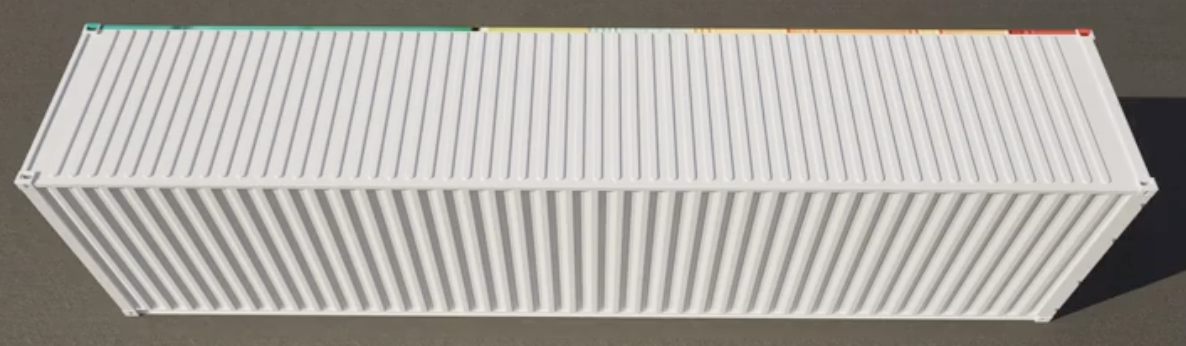
GreenBox™ — Built for Discovery and Innovation
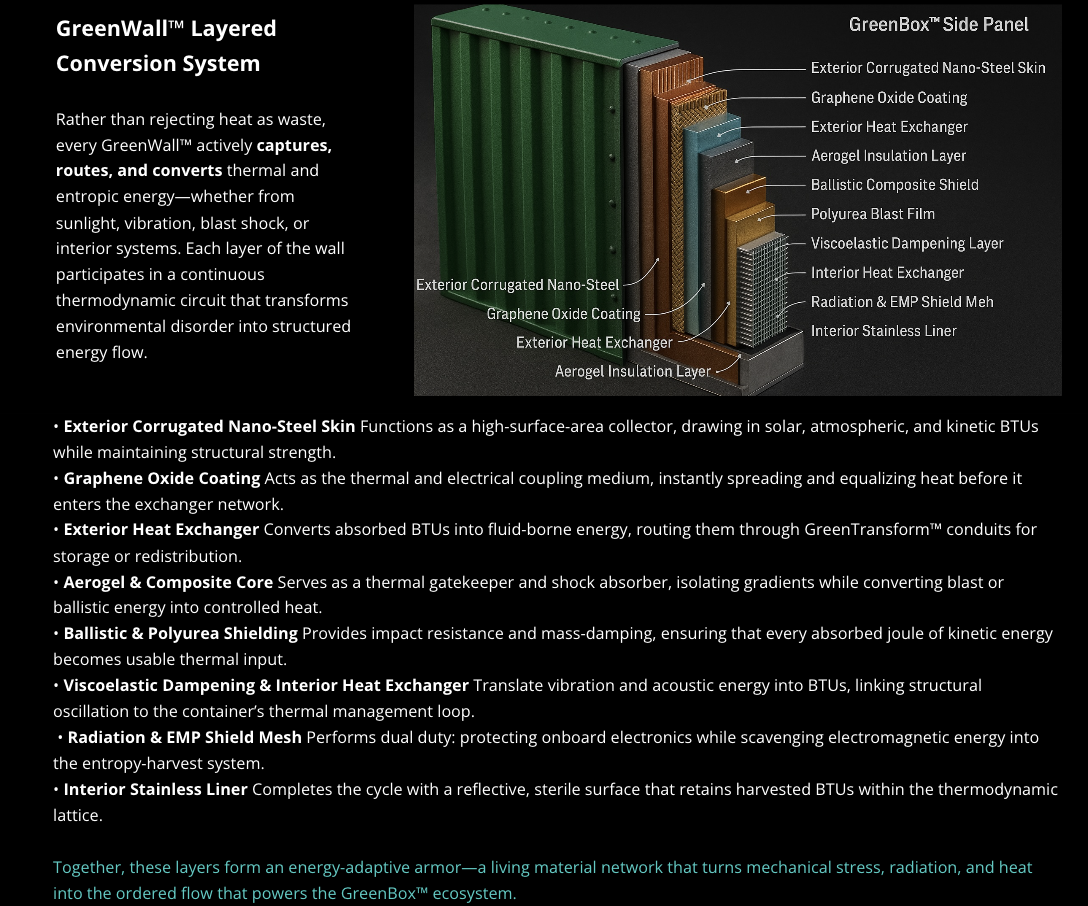
GreenBox is more than an ISO intermodal container — it’s a self-aware infrastructure system engineered for extreme environments and high-value transport. Each unit integrates graphene heat exchangers, EMP shielding, and phase-change energy cells that generate and recycle power while in motion or at rest.
Guided by embedded Digital Intelligences, GreenBox systems transact autonomously, monitor cargo integrity, and sustain onboard labs or compute environments anywhere on Earth. Whether integrating human imaging systems, data centers, or mission-critical materials, every GreenBox functions as a secure, intelligent habitat — a vessel for power, precision, and discovery.
👉 Tap or click the container image above for more information.

Powered by
Each IIS ISO Container is designed to employ a modular systems approach to fabrication, consistent with methods employed by craftsmen in the early days of ISO Container fabrication!
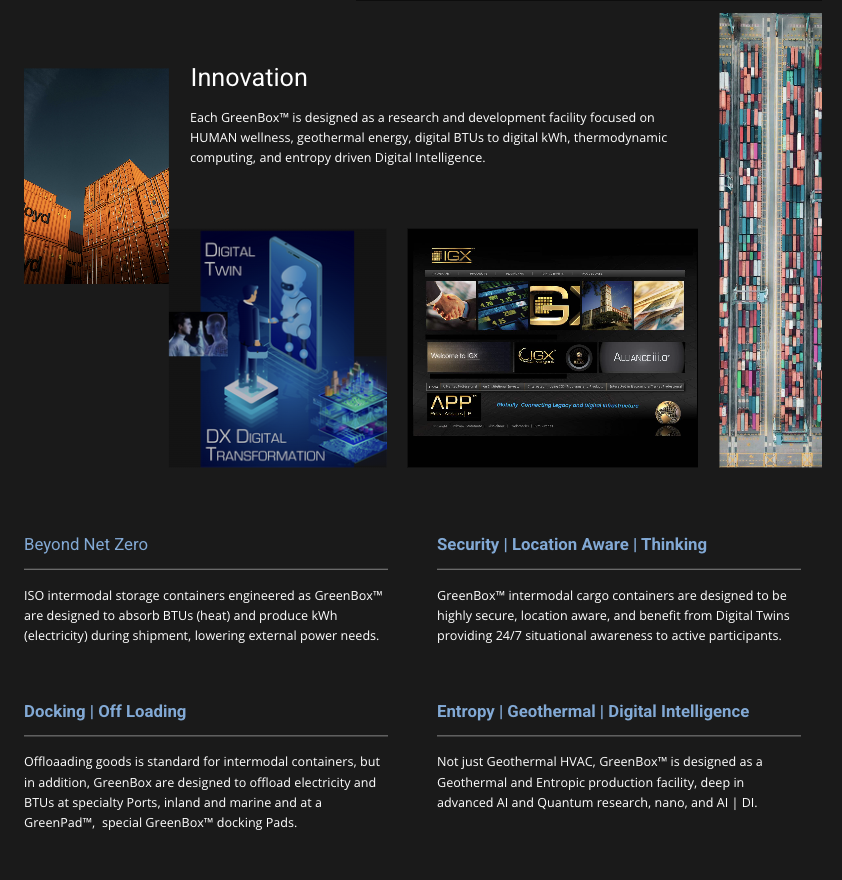
GreenBox™: The Future of Intelligent Intermodal Cargo Containers
Introducing the IIS GreenBox: Revolutionizing Sustainable Cargo Shipping
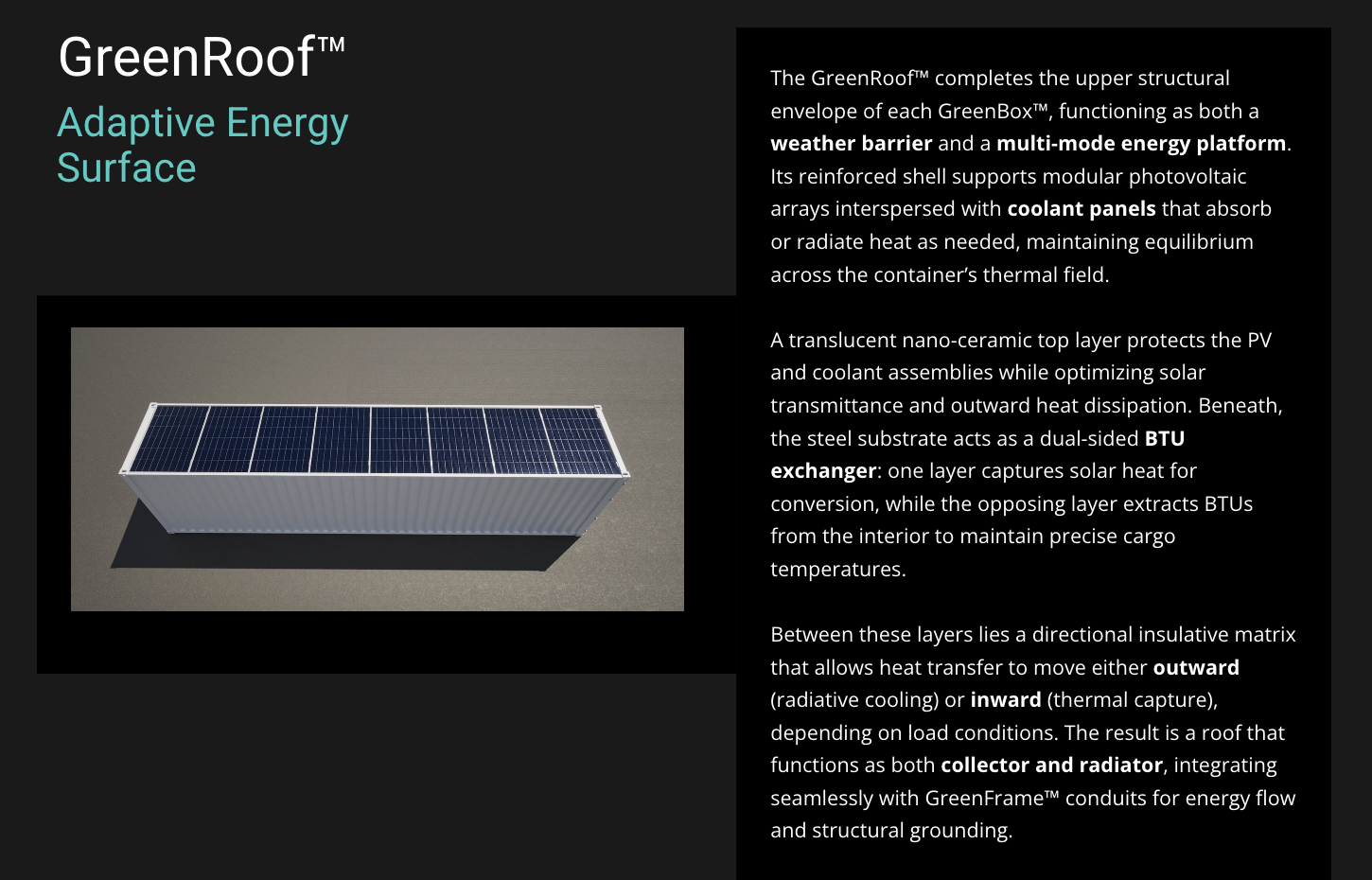
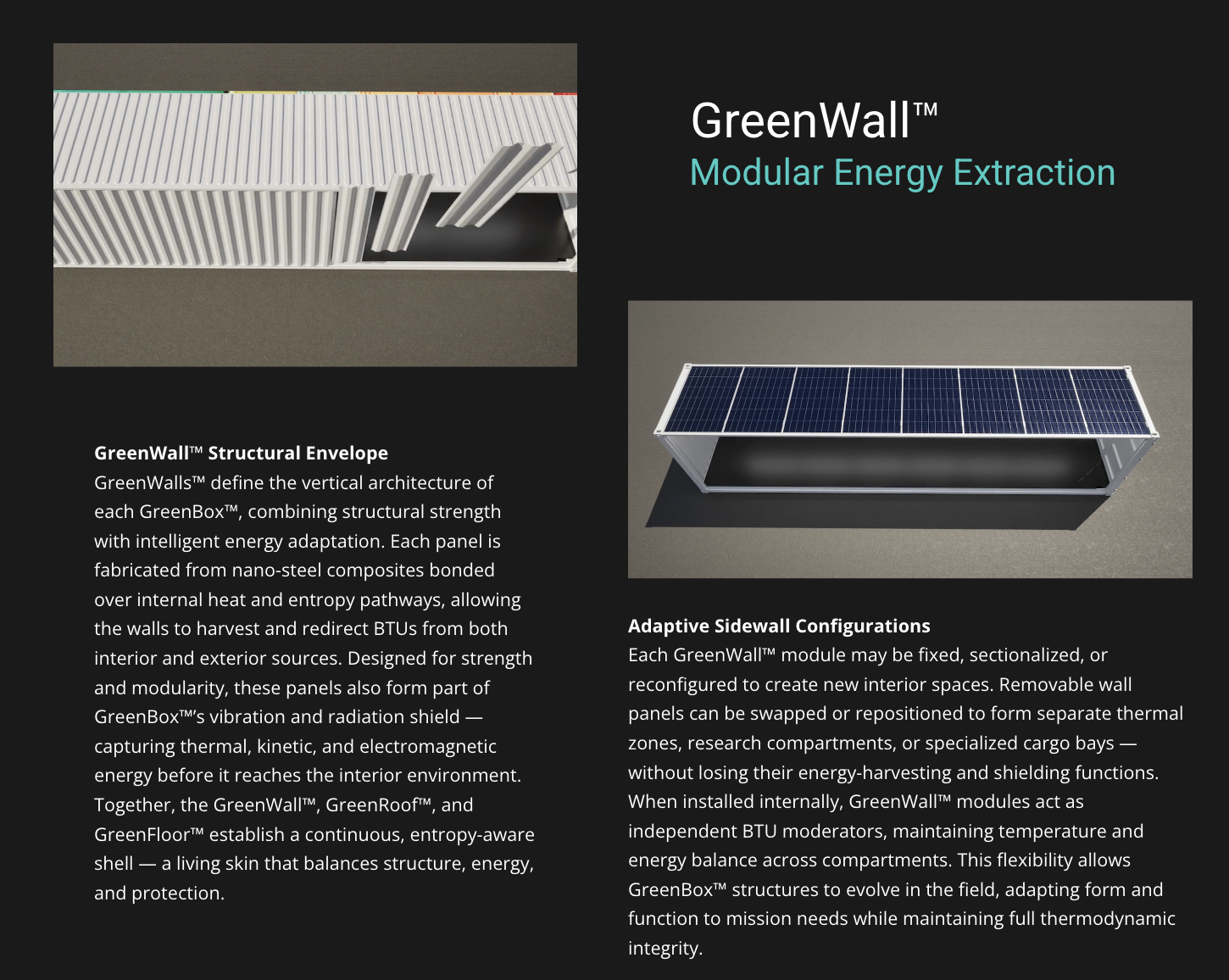
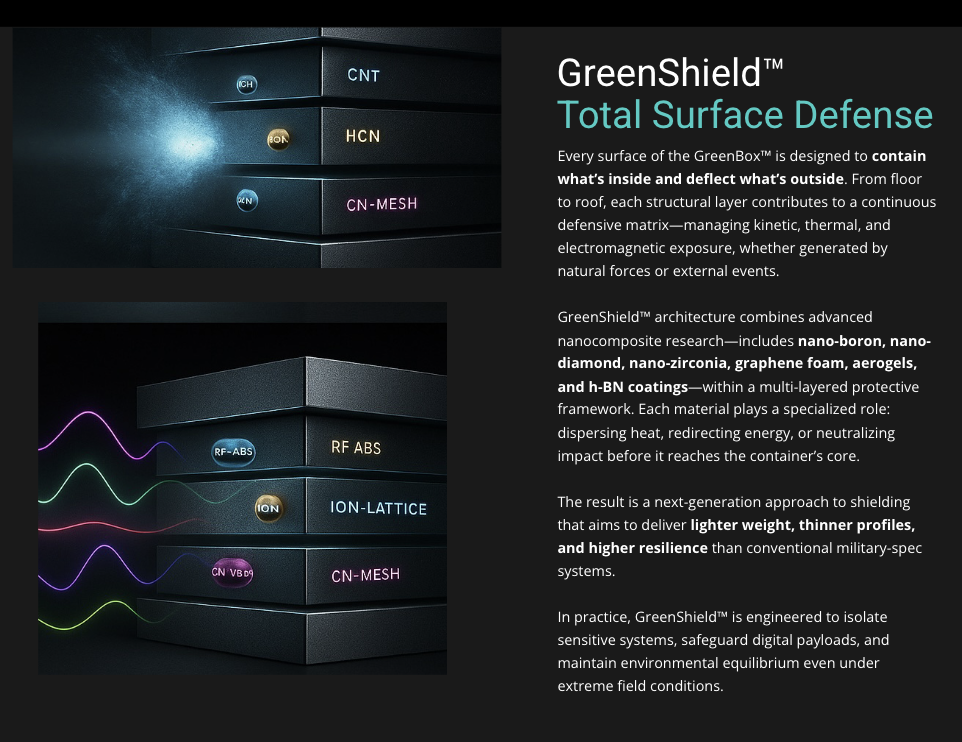
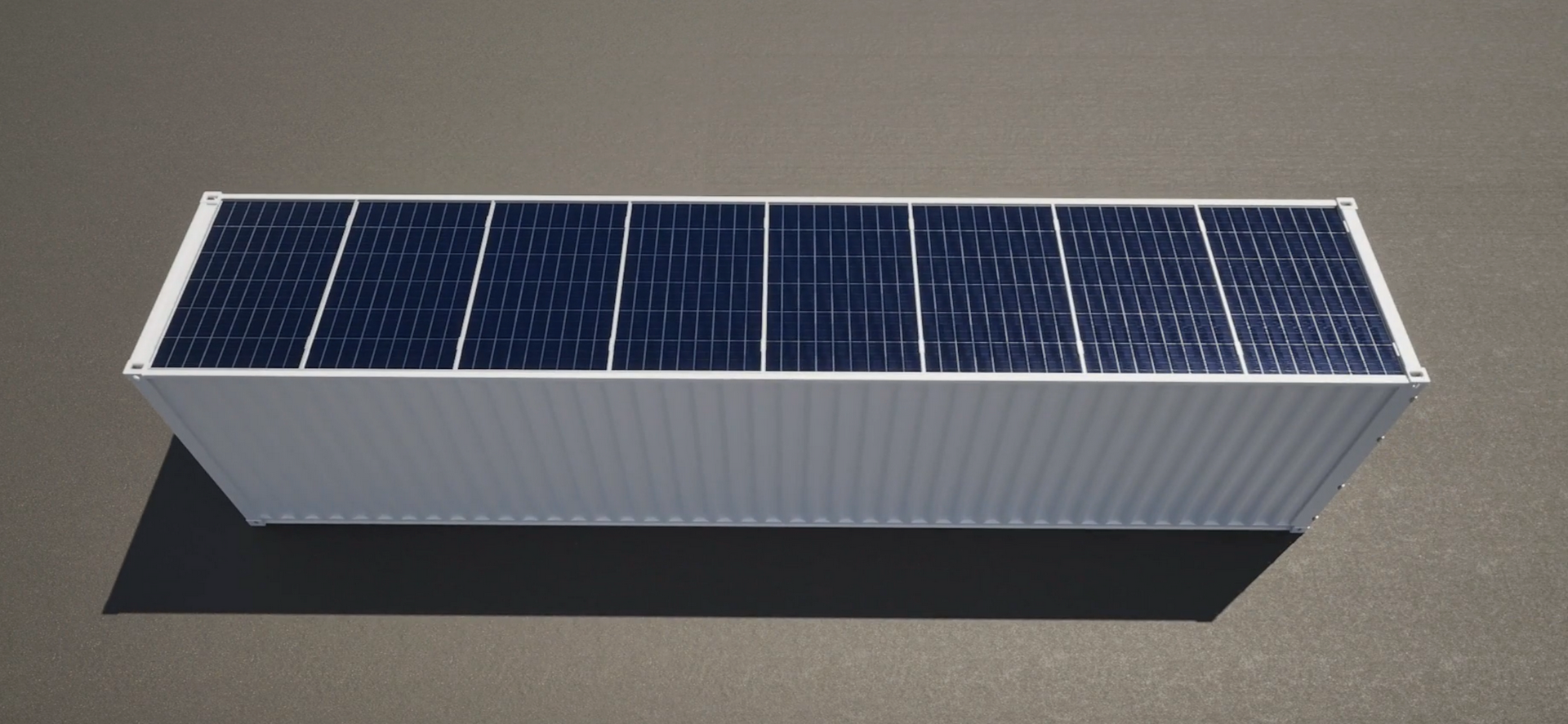
The “IIS GreenBox™ Beyond Mil-Spec” is a cutting-edge, intelligent intermodal cargo container designed to transport high-end shipments with unmatched security, precision, and environmental sensitivity. Built with advanced climate control, renewable energy systems, and smart monitoring technology, GreenBox™ is designed to reduce energy consumption, minimizes reliance on fossil fuels, and captures excess thermal energy during transit. Equipped with solar | thermal surfaces, graphene battery storage, advanced nano components and phase change materials (PCMs) for thermal management, the GreenBox™ not only protects valuable cargo but also significantly lowers its carbon footprint. For unique usages, the container is designed with Beyond MIL-Spec™ to protect its capabilities.
GreenBox redefines what a container could be. Engineered beyond Mil-Spec, it is designed to move not merely as cargo — but as an intelligent vessel aware of its environment, its load, and its mission.
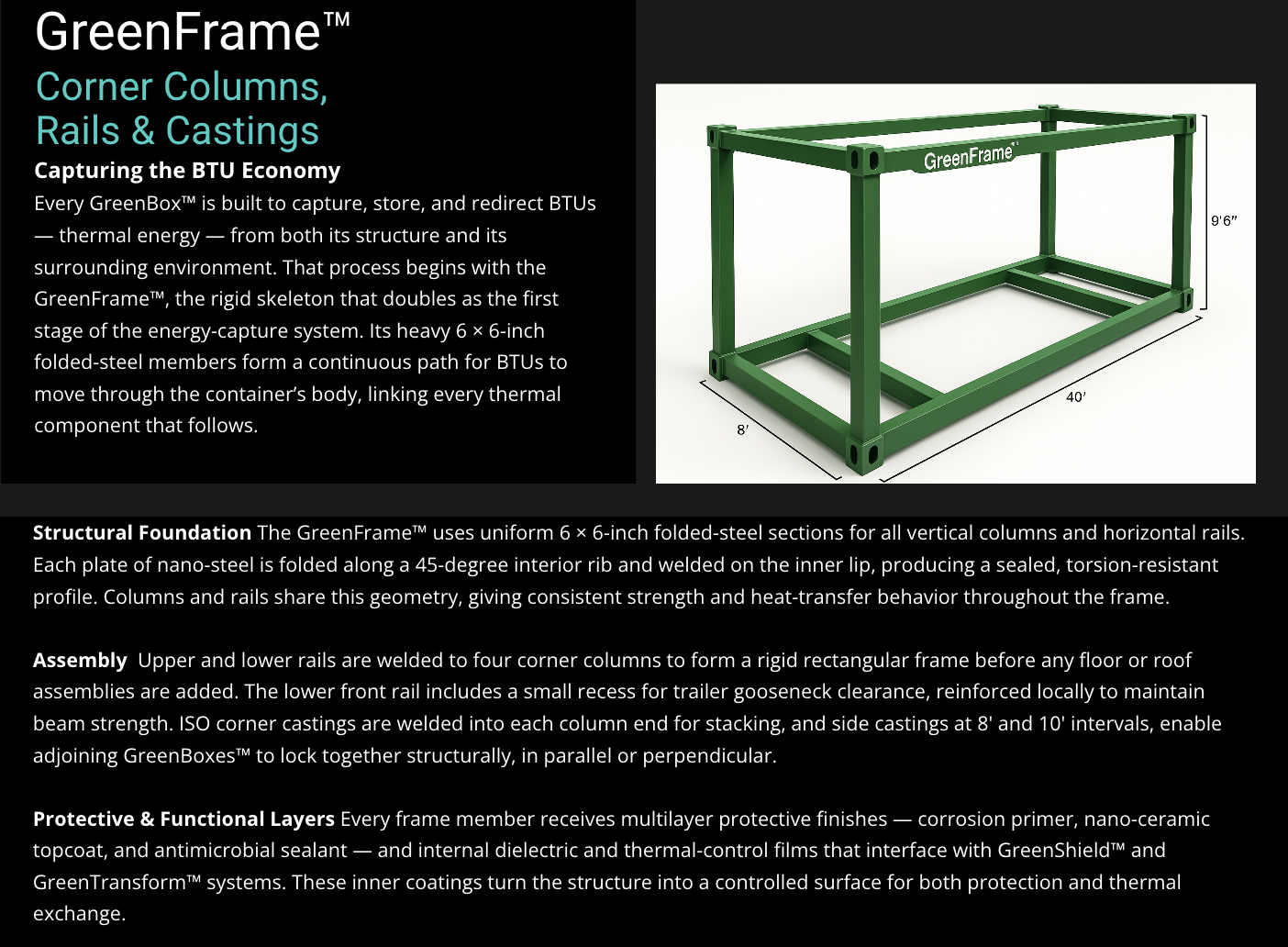
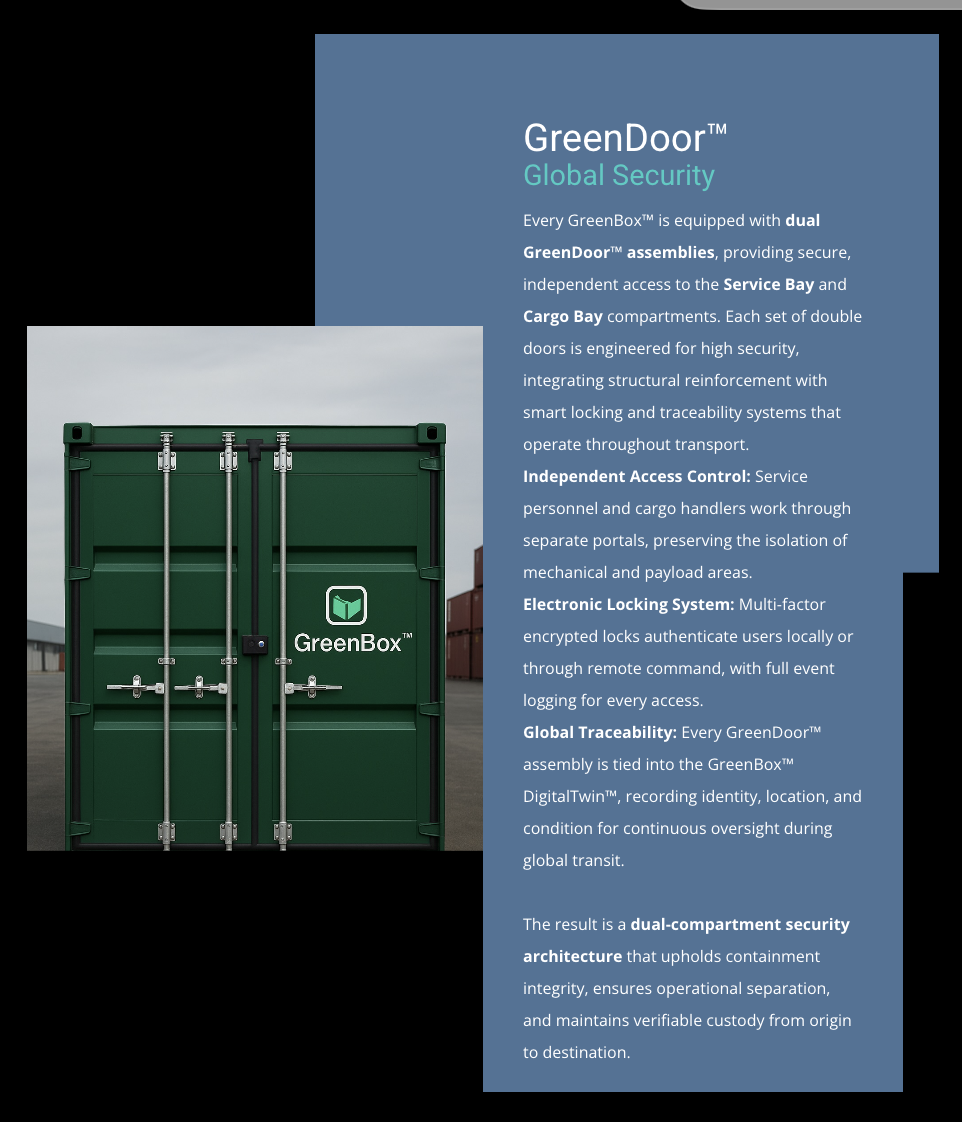
Every surface, corner, and seam has purpose. Its unique 8’ and 10’ increment side castings extend structural integrity through interlocking rails, enabling offset, parallel, or perpendicular coupling. Magnetic locks and dual-axis rails create unmatched rigidity across shipboard stacks, stabilizing entire decks while expanding new geometries for high-value configurations.
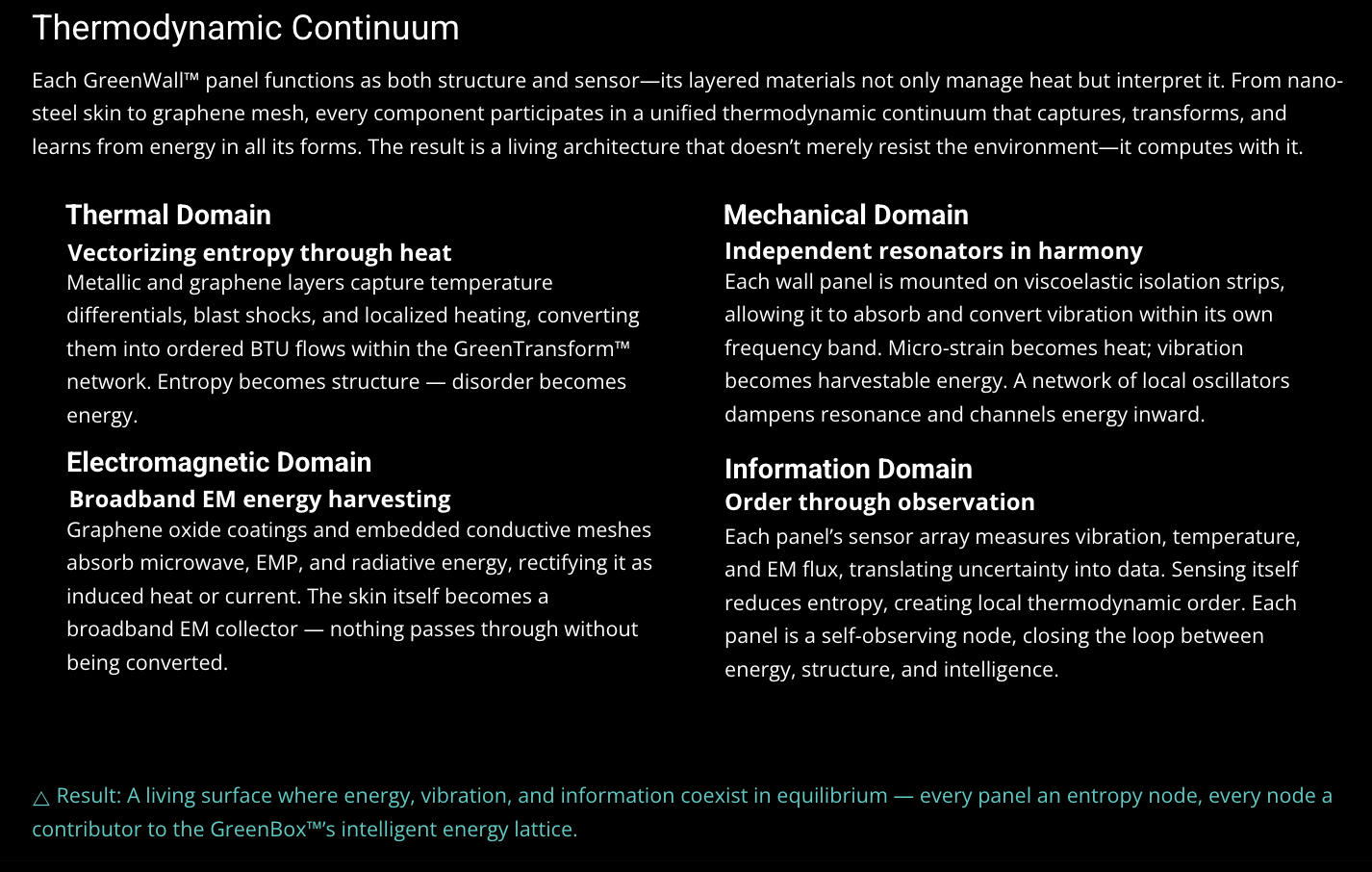
In motion, GreenBox becomes a self-sustaining organism. Its external sensor suite—visual, thermal, weather, and long-range atmospheric—continuously maps transit conditions, while internal sensors monitor microclimate, vibration, and radiation across all payload zones.
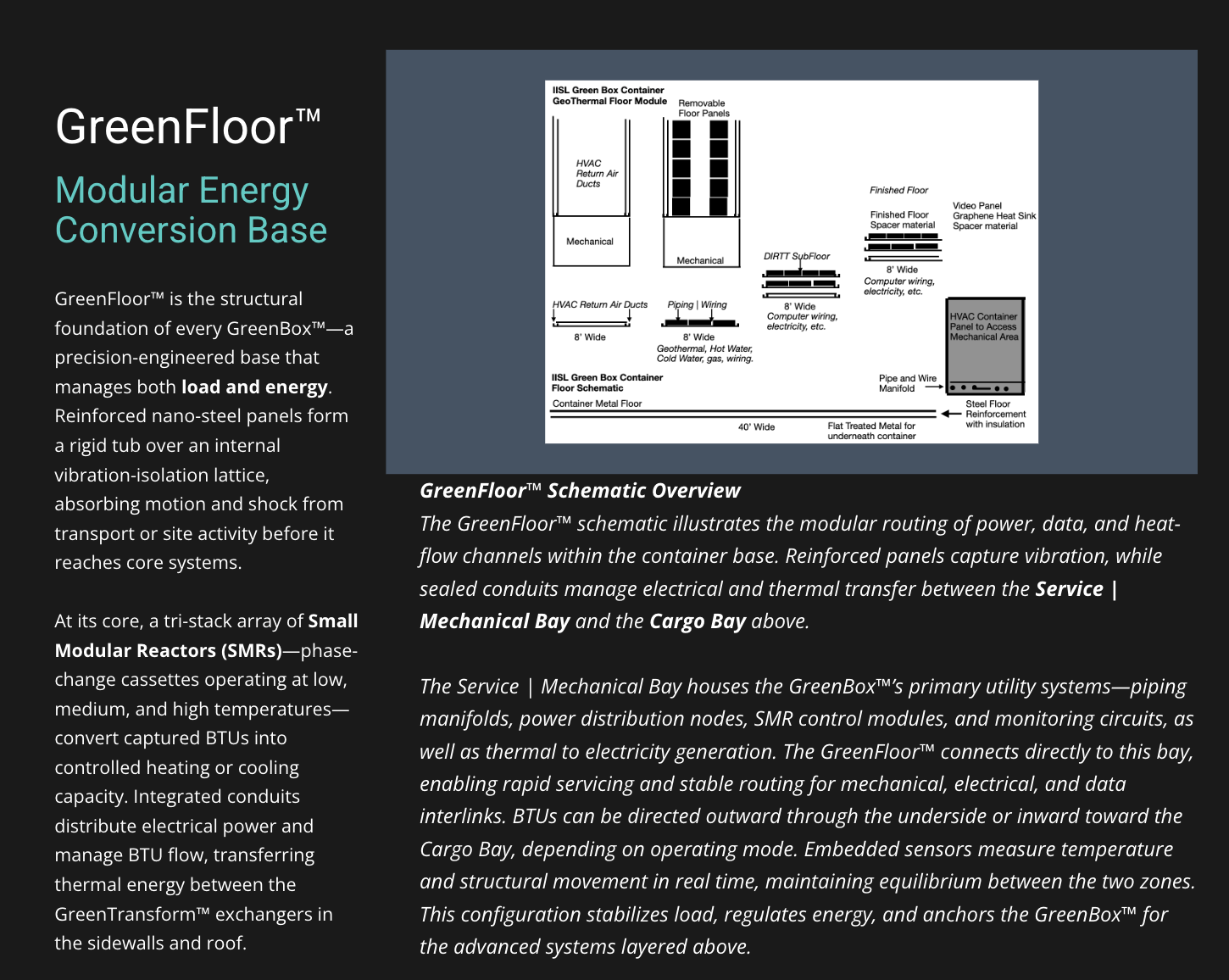
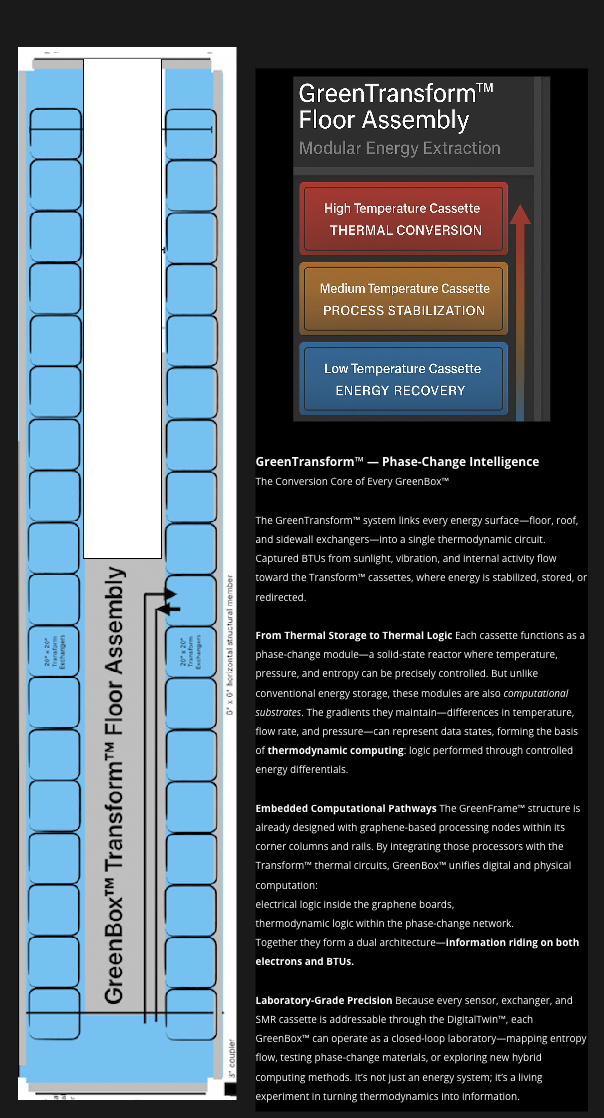
During ocean or overland transport, GreenBox generates its own energy—absorbing BTUs through its graphene exchanger skin, harvesting solar radiation, and storing it in phase-change cassettes that operate as modular micro-reactors. The system is designed to maintain cryogenic and frozen-state cargos without external power, extending preservation windows far beyond conventional limits.
Upon arrival, GreenBox docks seamlessly with GreenPad™ docking pads, transferring its stored thermal and electrical energy into port systems—linking directly to geothermal wells, energy recovery loops, and digital metering networks.
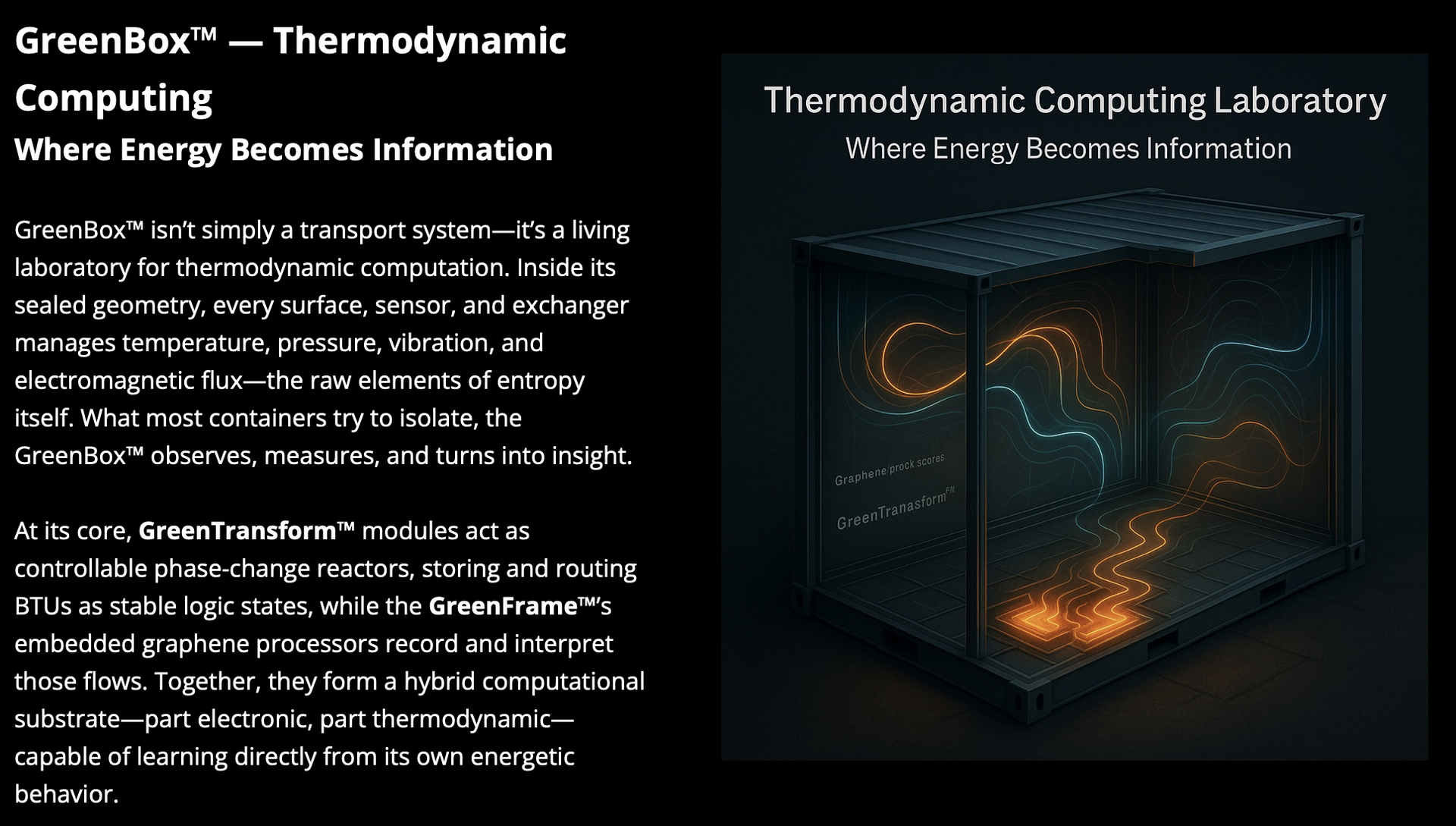
Beyond logistics, GreenBox acts as a transnational transactional node—a mobile data center powered by embedded Digital Intelligences. Operating across jurisdictions and in international waters, it maintains secure quantum identity, encrypted quantum keys, and autonomous CalypsoCube™ datastores that record every transaction in motion: cargo verification, carbon offsets, energy exchange, and digital customs clearance. Each GreenBox is designed to maintain its own sovereign digital ledger, enabling compliance, payments, and regulatory transparency in real time. Its onboard Digital Intelligences are configured to orchestrate data routing, optimize energy flow, and negotiate inter-system protocols, transforming each voyage into a live, audited exchange between nations, networks, and machines.
Every journey is a closed-loop cycle of power, data, and motion—a container that thinks, heals, and contributes wherever it lands.
JouleBox™ — Each JouleBox™ is engineered as an ISO intermodal container purpose-built for clean energy storage, with a primary focus on thermal energy storage and temperature manipulation. In this configuration, JouleBox™ is designed to qualify for §48E clean energy storage incentives.
The principal distinction between a standard GreenBox™ and a JouleBox™ lies in functional emphasis: JouleBox™ is optimized for clean energy storage, whereas GreenBox™ configurations are typically equipped for both electricity generation and energy storage. A JouleBox™ can also facilitate geothermal infrastructure and enable long-term storage.
JouleBox™ can also be engineered for subsurface and hardened deployments, including underground installations, interconnecting tunnels between ScanPods, EMP-shielded AI compute environments, and point-to-point utility infrastructure where resilient, non-generative energy storage is required.
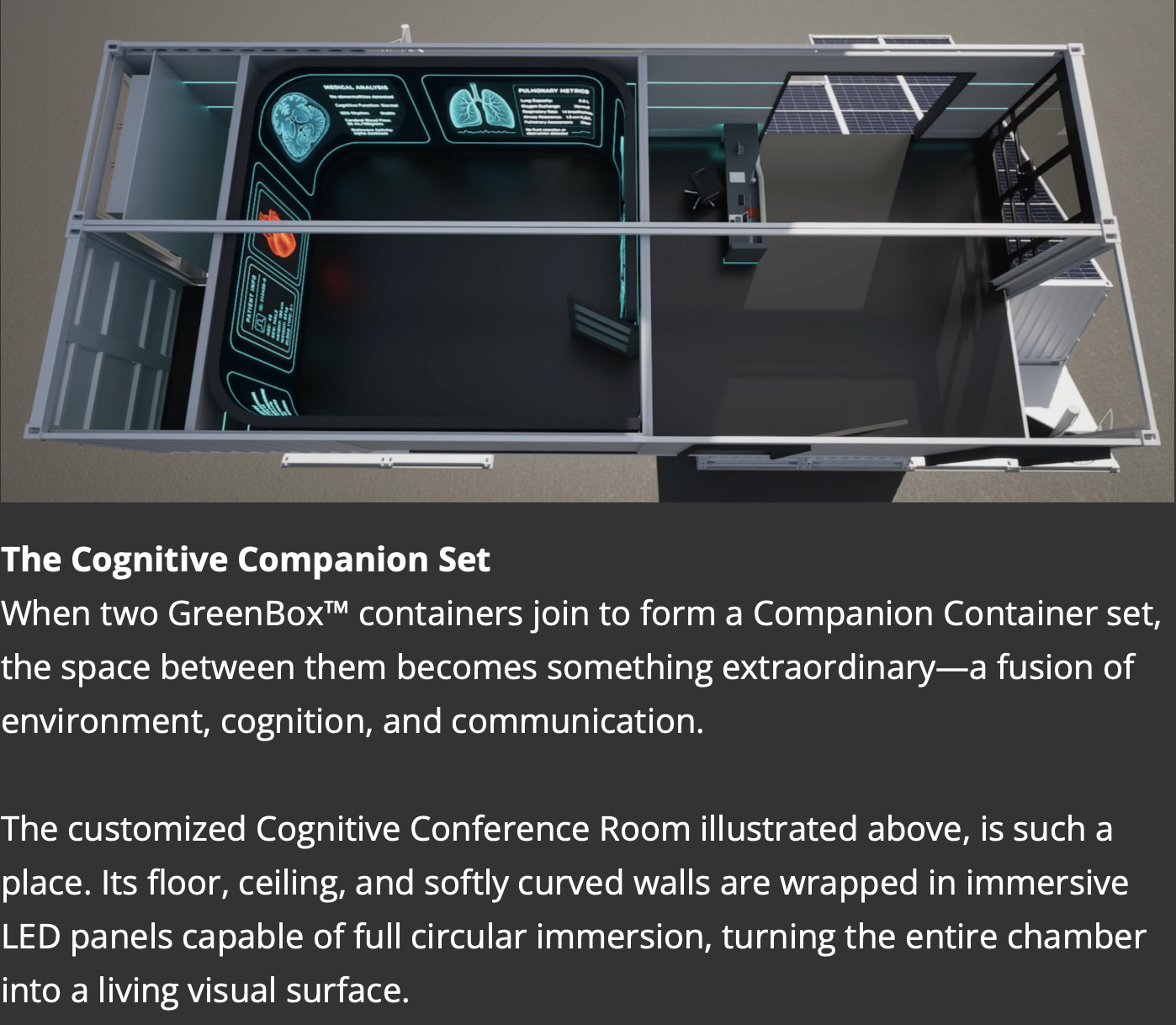
Core Module -
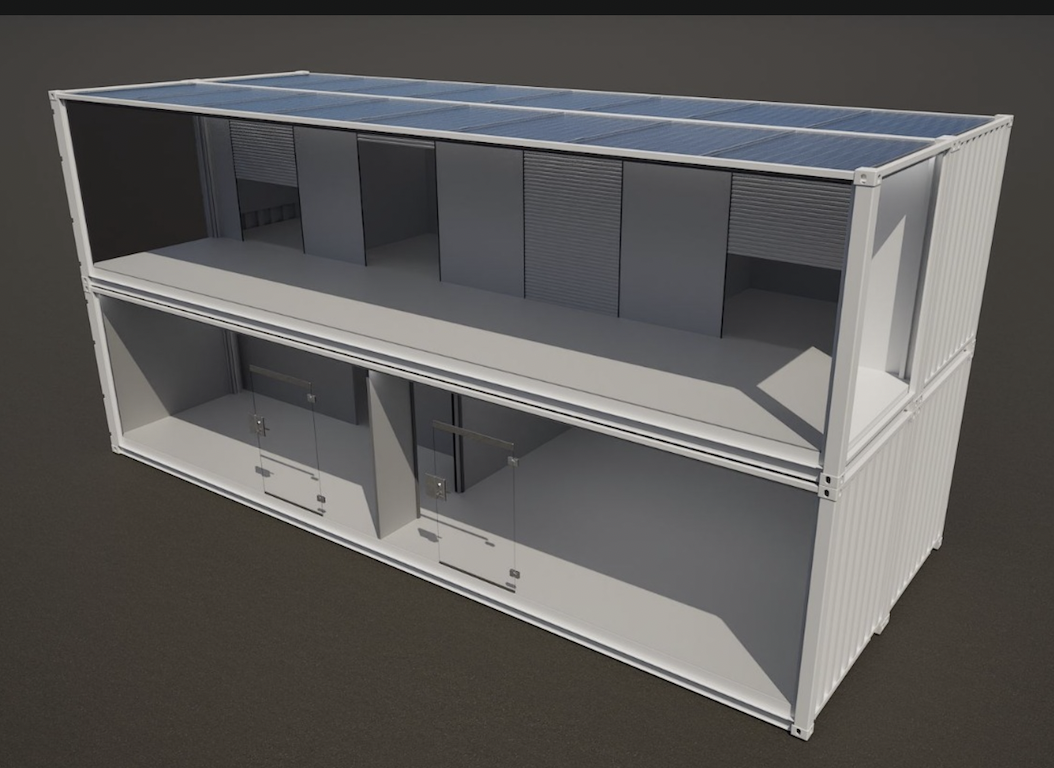
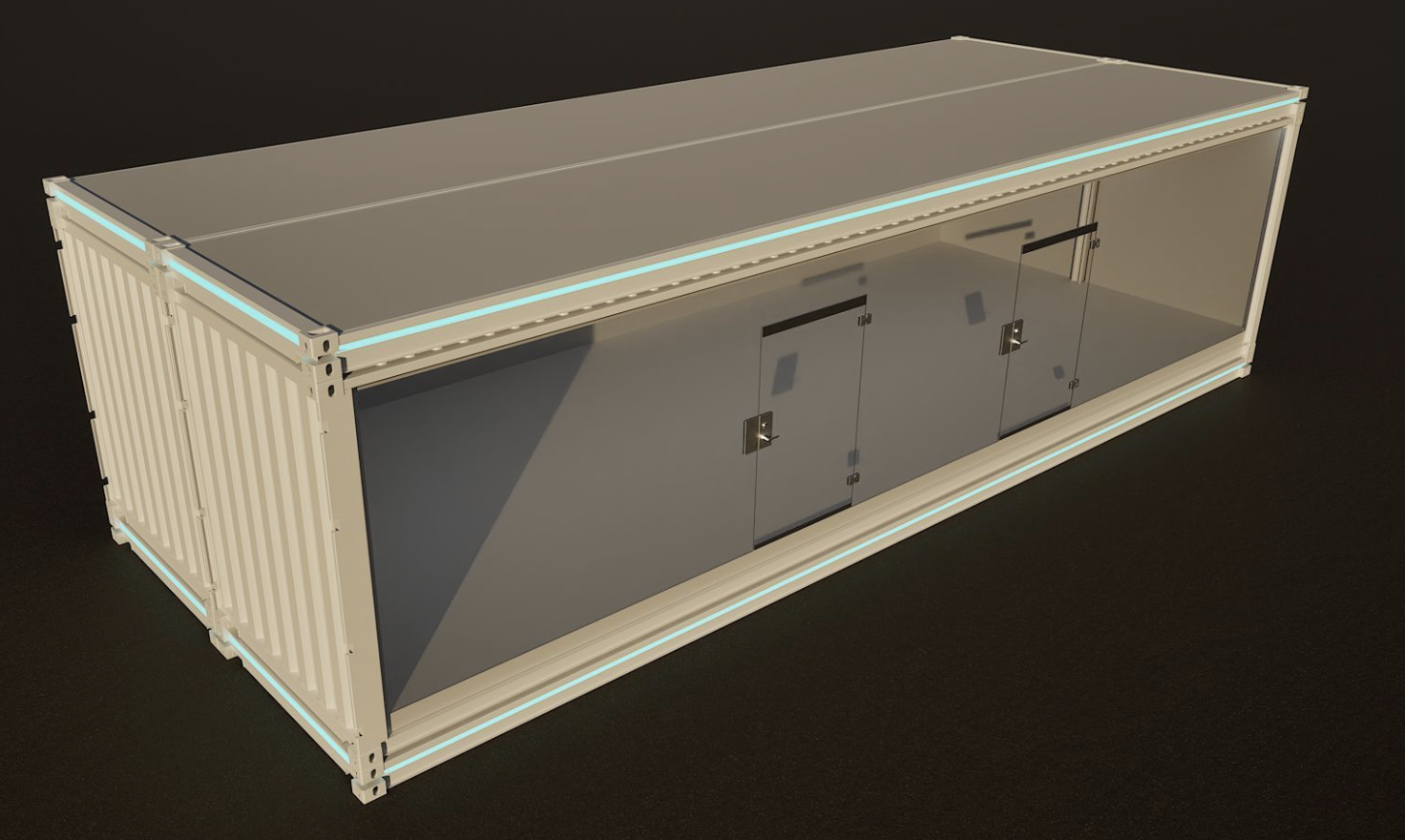
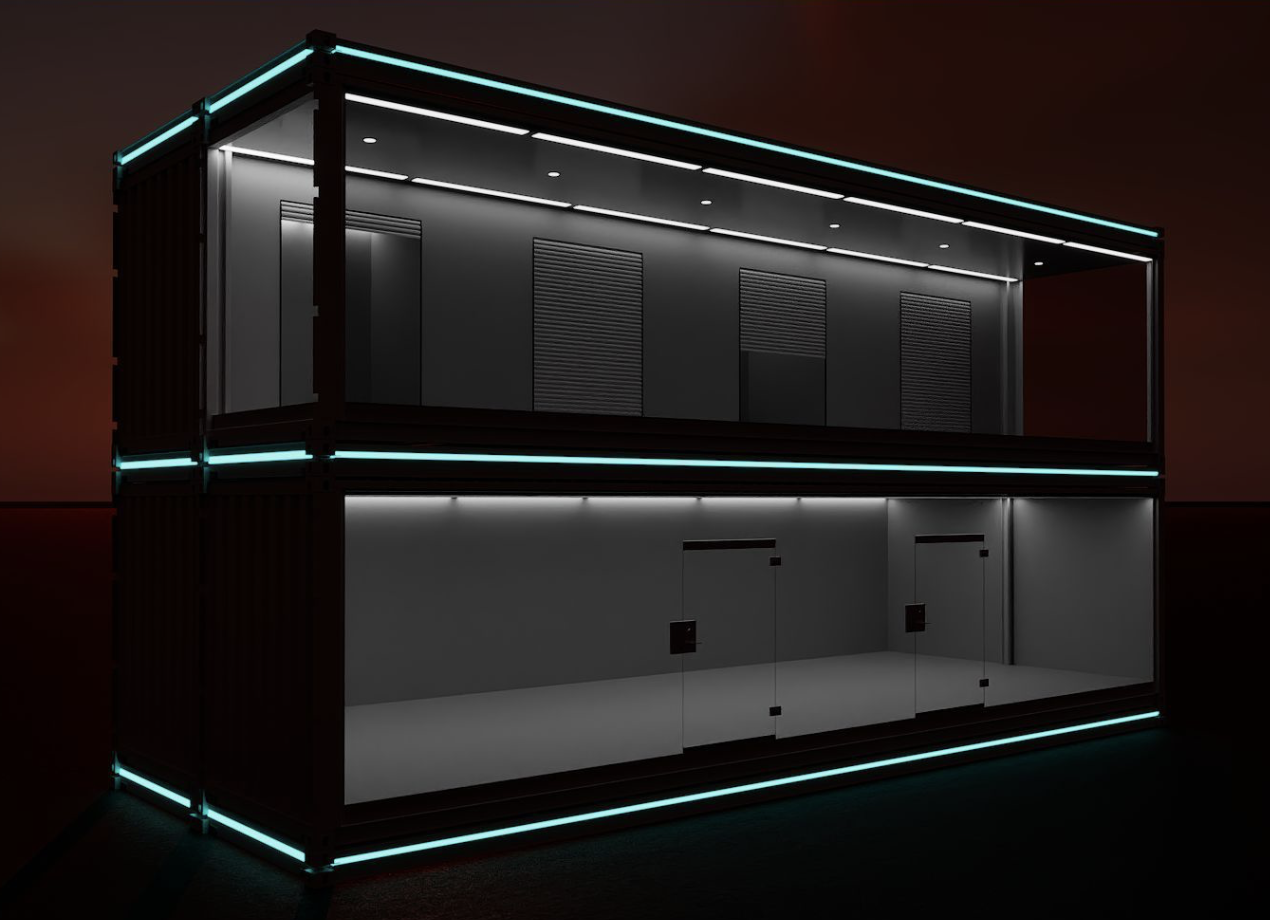
From these core "Pod" modules come larger, multi-use structures.
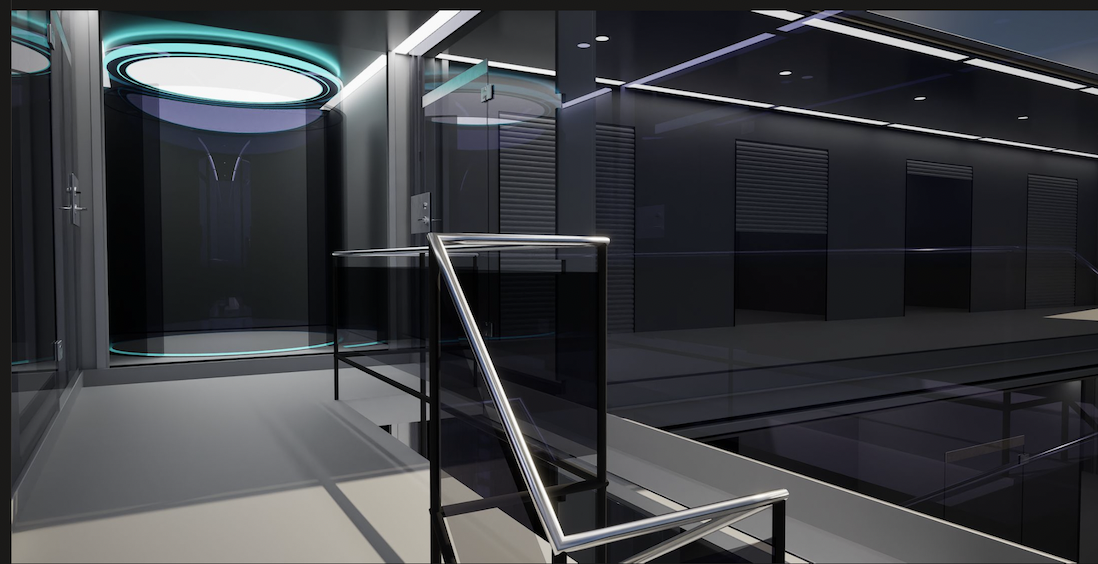
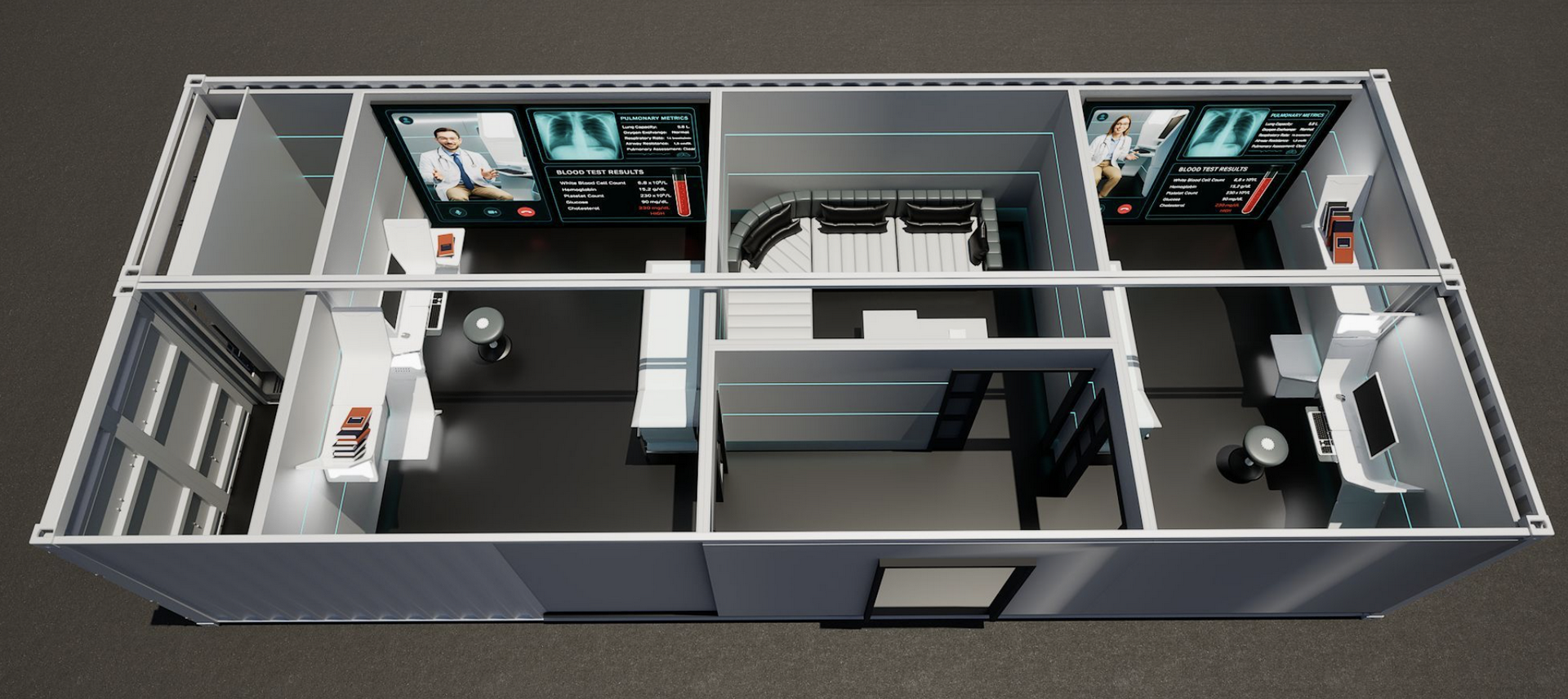
Here you can see a four-unit (2×2) configuration with integrated stairwell and elevator—built to ADA standards, which may include bullet- and blast-resistant exteriors.
These same cores can become clinics, shops, offices, restaurants, or living suites, depending on finish and fit-out.
Every unit is designed to connect laterally and vertically, giving developers near-limitless flexibility to create safe, energy-efficient environments that evolve with community needs.
Adding a GreenPad under each ISO Intermodal Container enables a Pod to be connected into a campus-setting Thermal Utility Engine, to facilitate access to campus-wide utilities.
A mix of GreenBox™ and JouleBox™ core modules can enhance electrical generation across a Pod, and assure electricity capacity limitations are achieved for §48E Qualified Facility tax incentives.
A key objective of Pod configuration is to generate more electricity than such Pod consumes, although no assurance can be given.
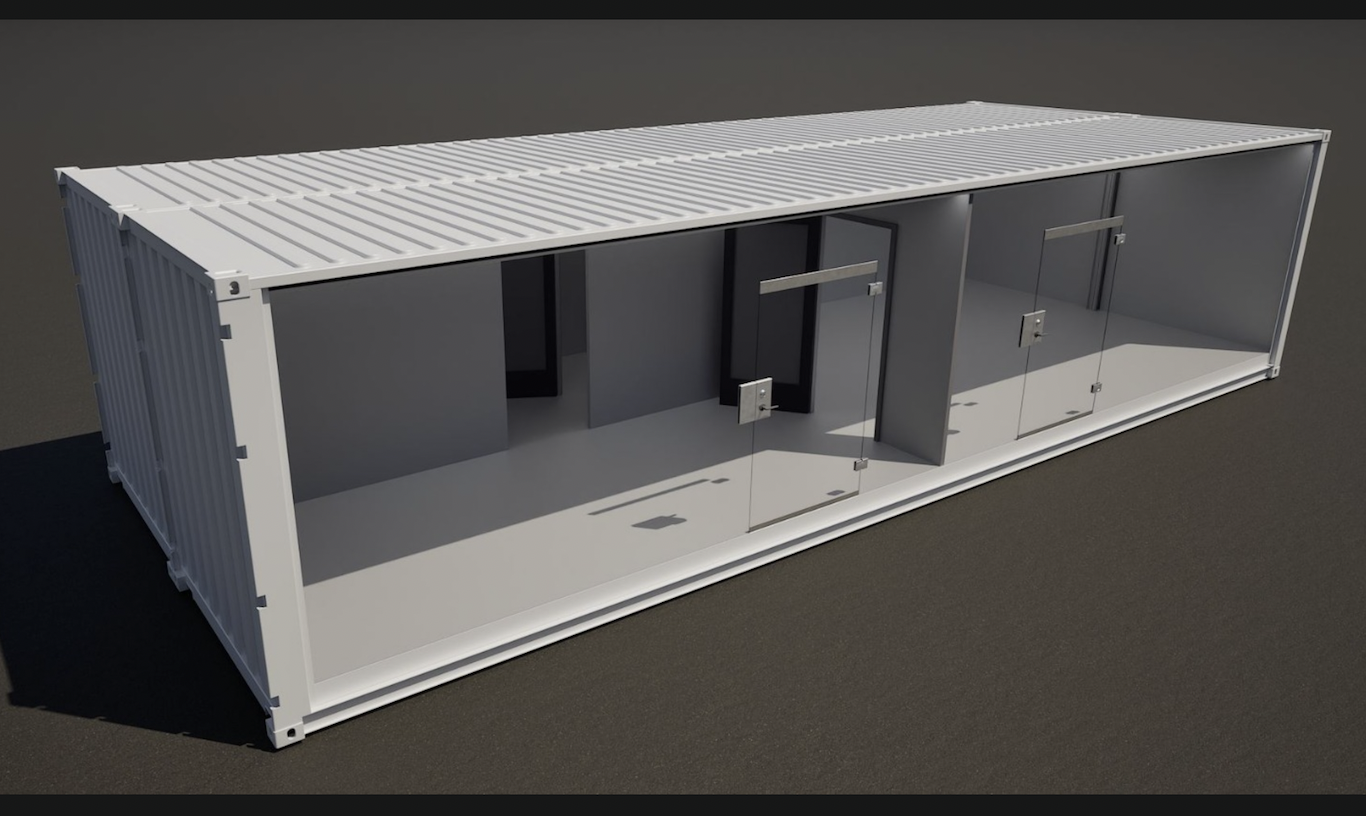
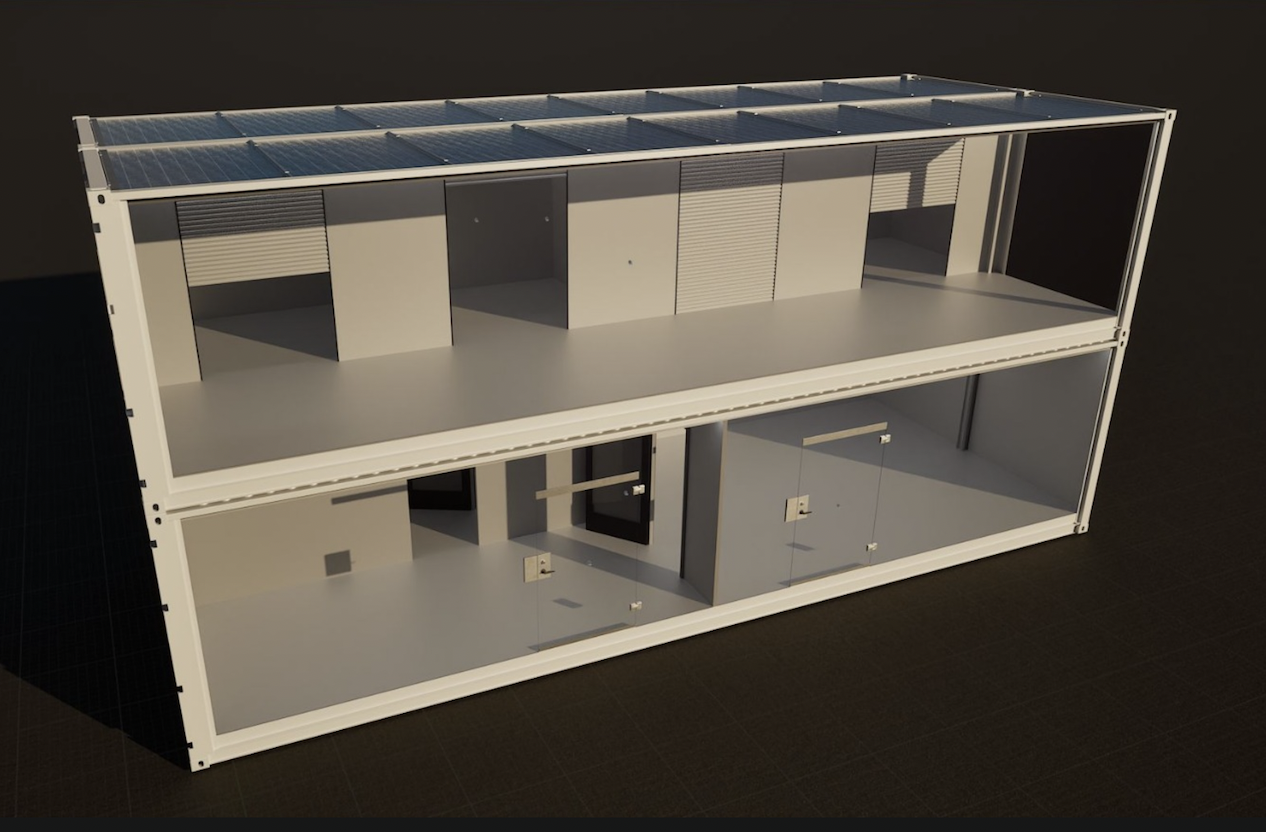
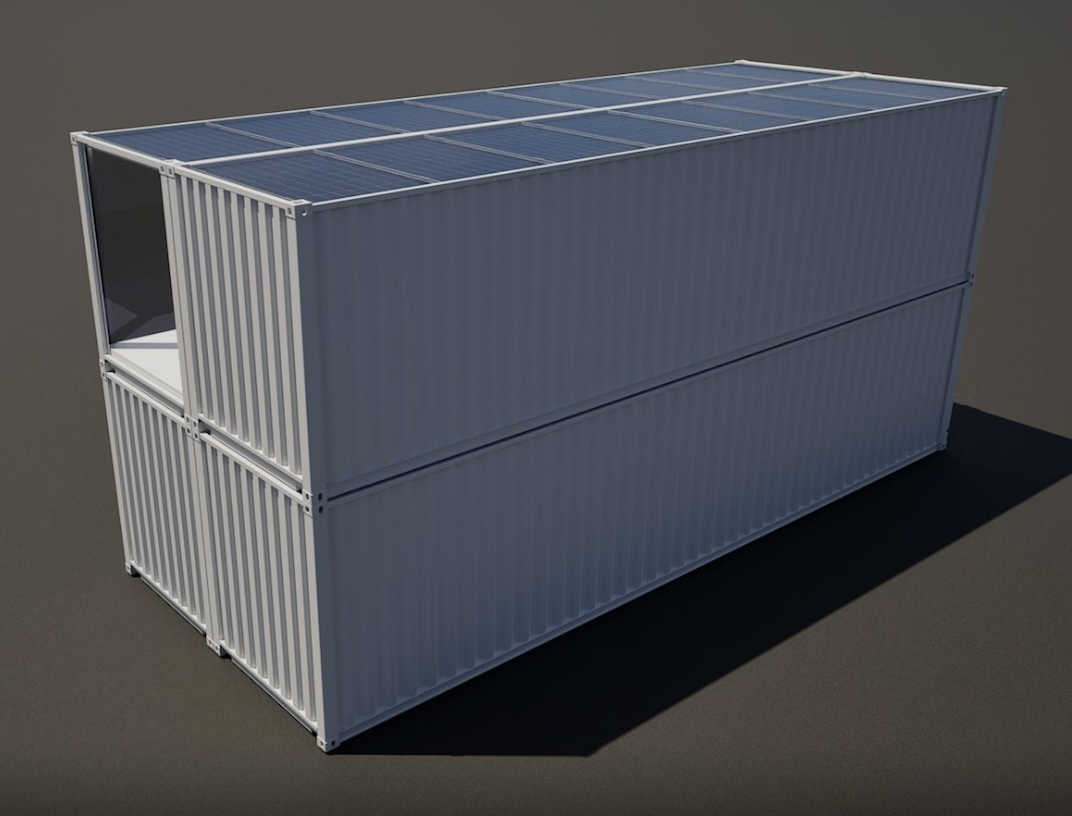
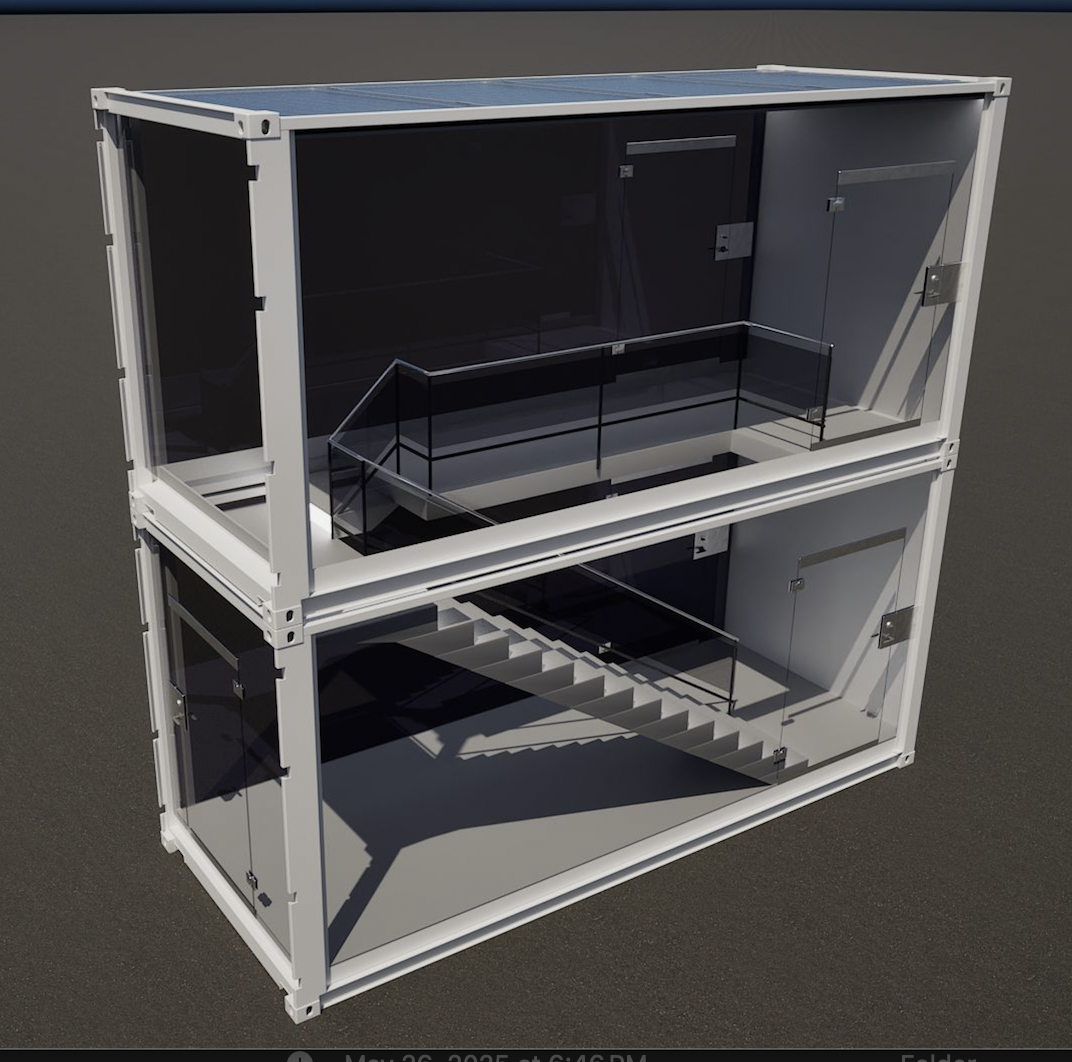
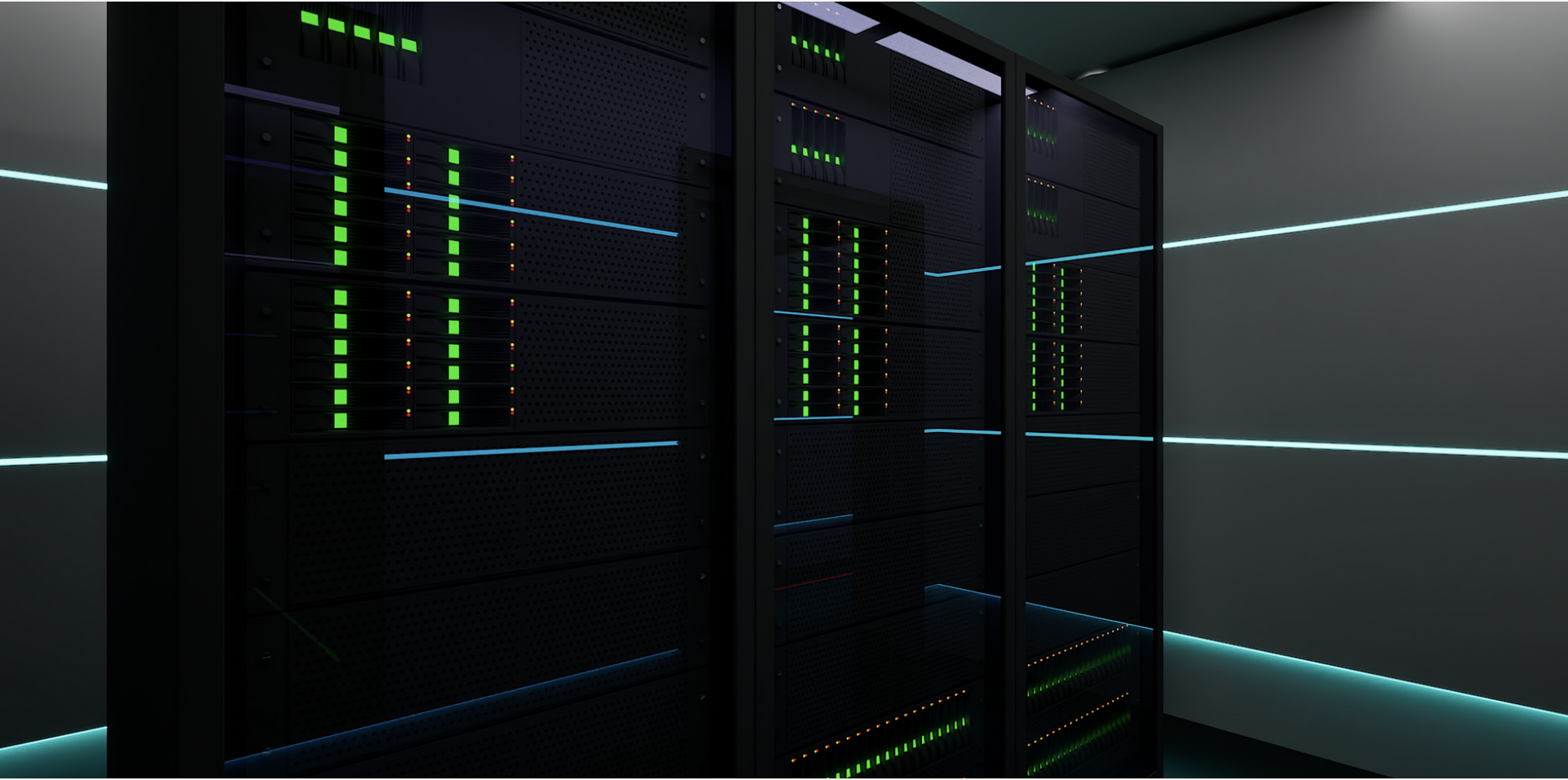
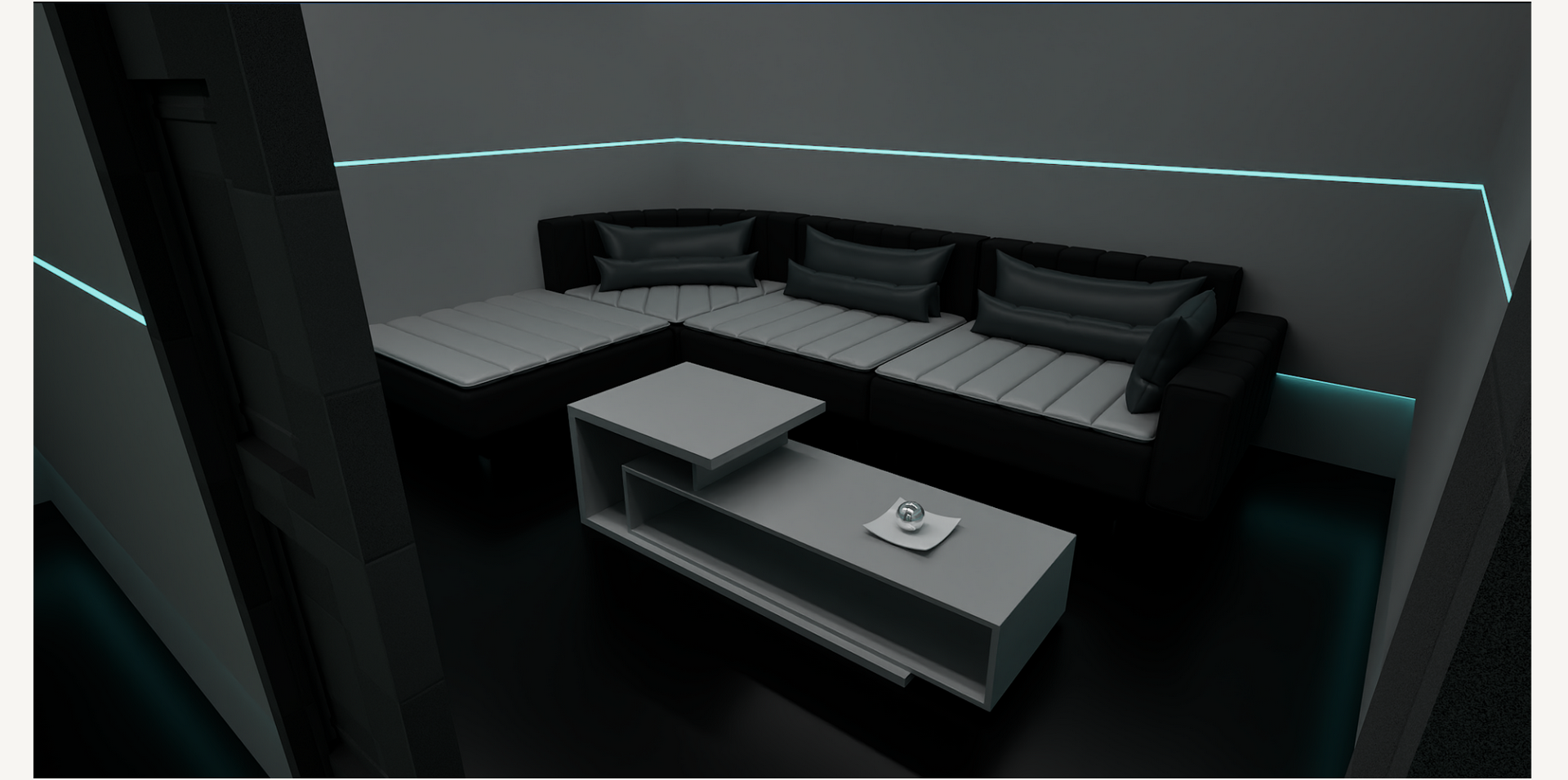
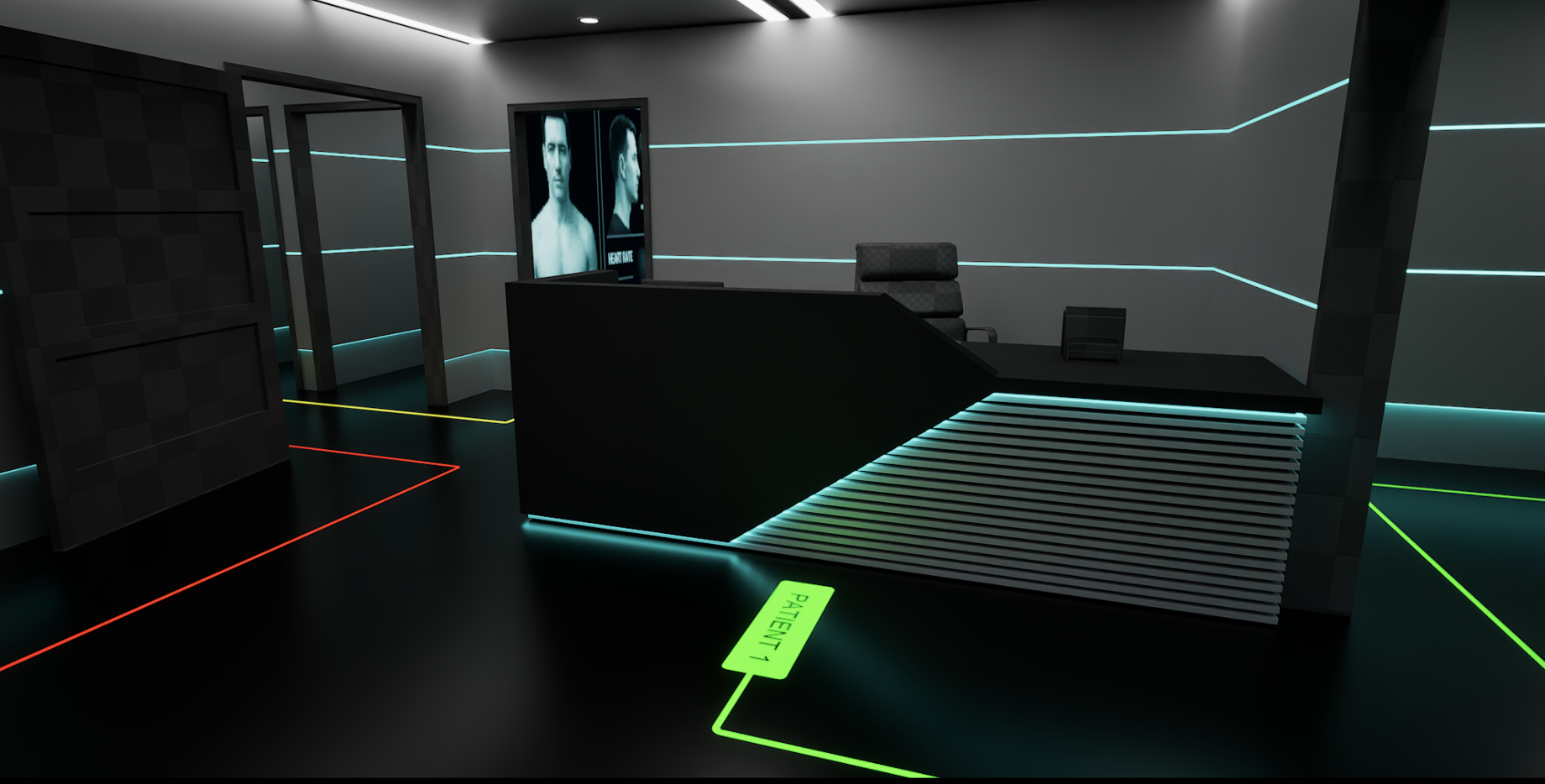
The following catalog outlines the primary container classes, subtypes, and functional roles within the IIS ISO Container classes and types.
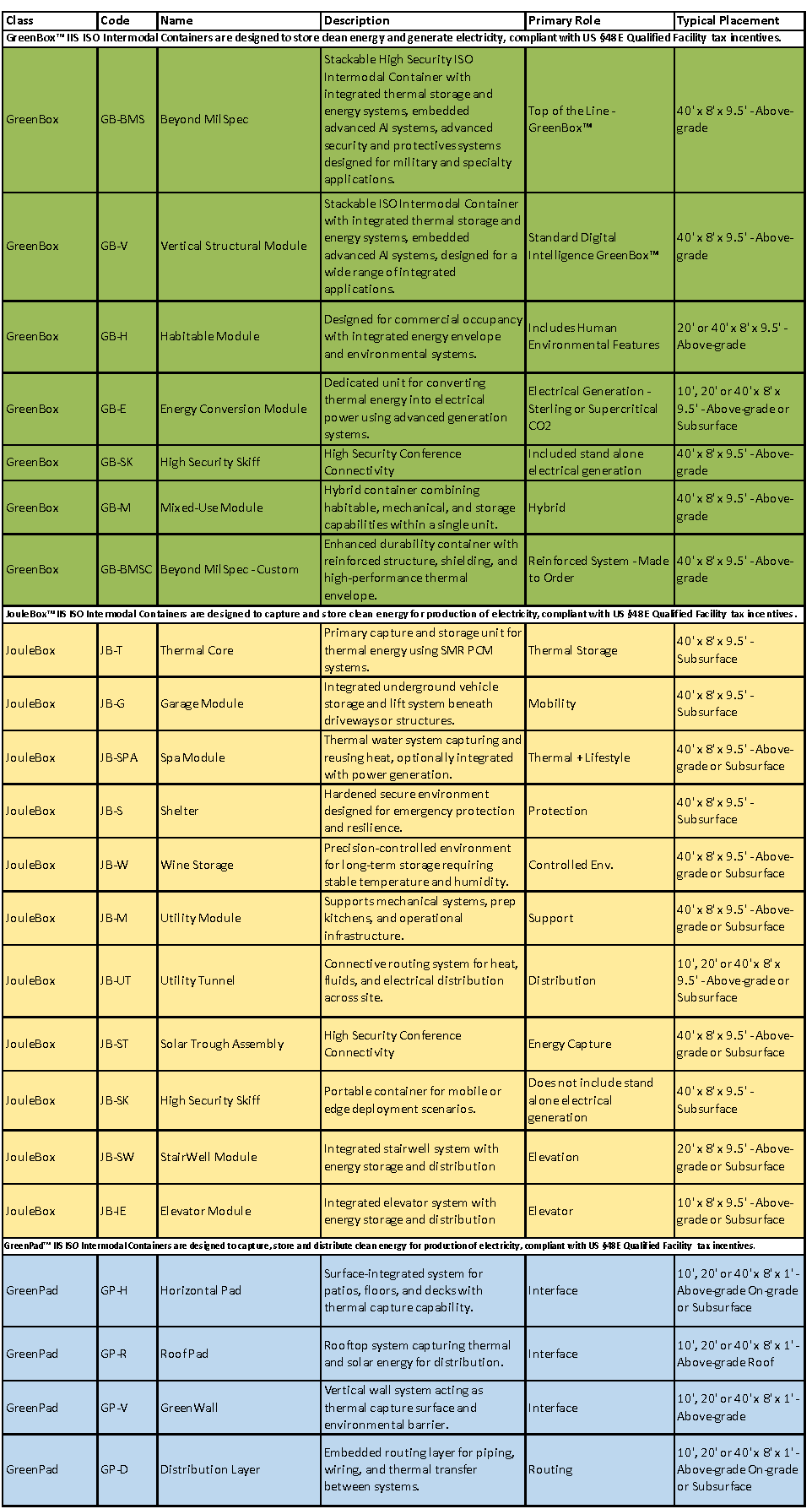
The IIS ISO container systems outlined above represent a structured architecture developed over decades, in which each container type performs a defined role within an integrated environment.
Together, these systems are designed to form a modular framework capable of supporting energy generation, thermal management, infrastructure deployment, and digitally coordinated operations across a range of applications.
As configurations expand—from individual containers to companion sets, Pods, and full campus deployments—the underlying principles of segmentation, portability, and controlled operation remain consistent.
This continuity enables IIS systems to be deployed, scaled, and adapted with precision, while maintaining alignment across physical, statutory, and digital domains.
The catalog presented here reflects the current state of this architecture, providing a foundation for continued development and application across the broader IIS platform.